

Heartworm, leishmaniasis, Lyme disease: what's behind them?
Heartworm, leishmaniasis, and Lyme disease are illnesses that are increasingly affecting dogs in Switzerland, whether after a vacation in the Mediterranean region, through contact with ticks in their own forest, or via an animal adopted from abroad. What all three have in common is that they often show no clear signs in the early stages and are therefore easily overlooked.

Heartworms (dirofilariasis)
Heartworms (Dirofilaria immitis) are thread-like parasites that live in the pulmonary arteries and right heart of dogs. They are transmitted exclusively through the bite of infected mosquitoes and are mainly found in southern and southeastern Europe, North Africa, and parts of America and Asia. Due to travel and the importation of dogs, the disease is also increasingly being diagnosed in Switzerland.
Good to know
Heartworms are not transmitted through direct contact with animals, but exclusively through the bite of infected mosquitoes. Staying abroad in an endemic area therefore increases the risk, as there are significantly more infected mosquitoes there. It can take around six months before adult worms are detectable. Travel advice before your vacation and a test after your return will help you stay on top of things.
Heartworms are not transmitted through direct contact with animals, but exclusively through the bite of infected mosquitoes. Staying abroad in an endemic area therefore increases the risk, as there are significantly more infected mosquitoes there. It can take around six months before adult worms are detectable. Travel advice before your vacation and a test after your return will help you stay on top of things.
Symptoms
In the early stages, the infection usually progresses without visible symptoms. As the worm infestation increases, exercise intolerance, persistent coughing, and breathing difficulties may occur. In advanced stages, weight loss and heart failure are possible.
In the early stages, the infection usually progresses without visible symptoms. As the worm infestation increases, exercise intolerance, persistent coughing, and breathing difficulties may occur. In advanced stages, weight loss and heart failure are possible.
Diagnosis
The most reliable detection method is a blood antigen test. In addition, a microfilariae test and imaging techniques (X-ray, ultrasound) can help to assess the severity.
The most reliable detection method is a blood antigen test. In addition, a microfilariae test and imaging techniques (X-ray, ultrasound) can help to assess the severity.
Treatment and prognosis
Treatment is carried out gradually with antiparasitic agents over several weeks. Strict physical rest during therapy is crucial. If the infection is detected early, the prognosis is good in many cases.
Treatment is carried out gradually with antiparasitic agents over several weeks. Strict physical rest during therapy is crucial. If the infection is detected early, the prognosis is good in many cases.
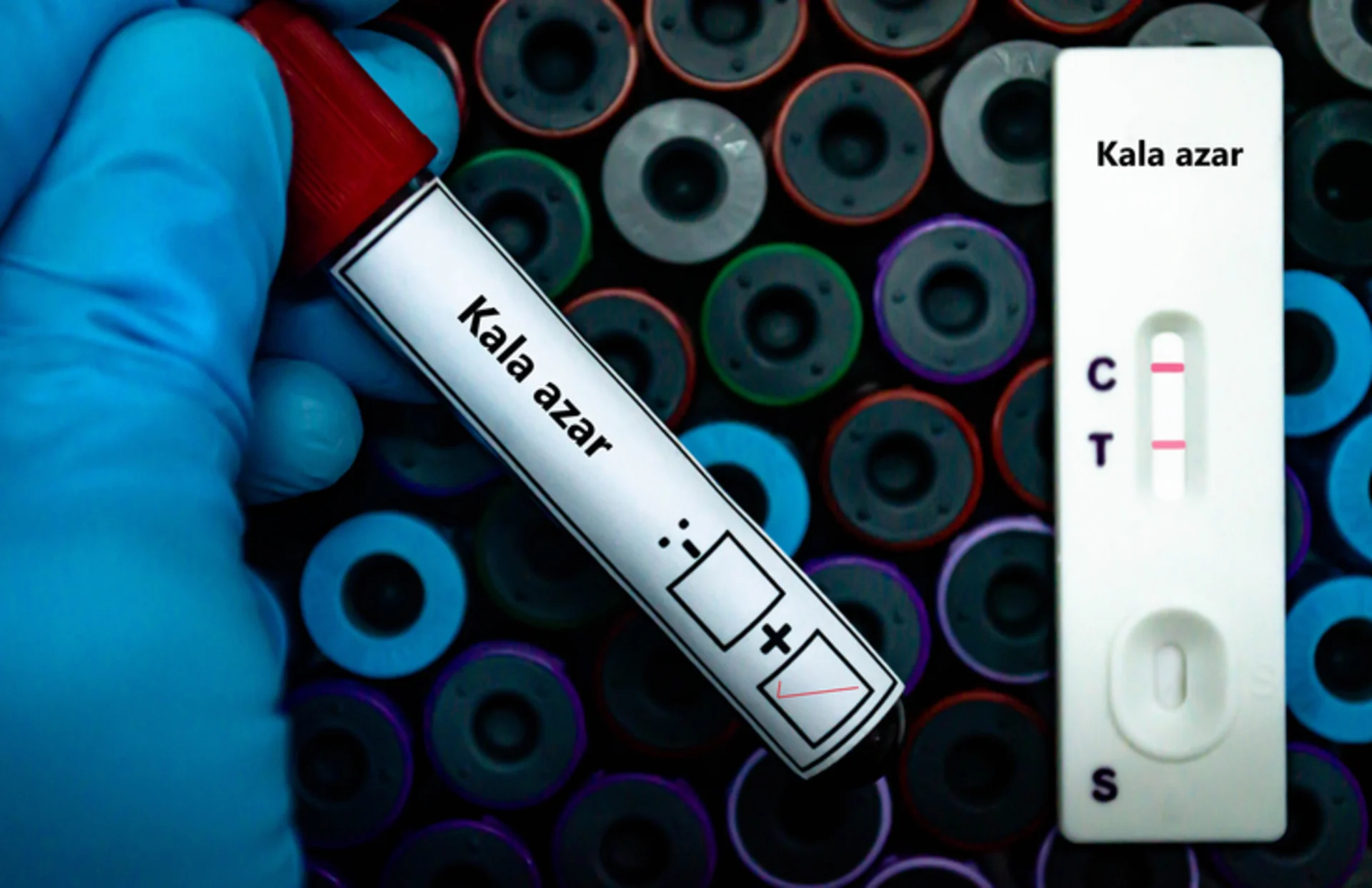
Leishmaniasis (Leishmania infantum)
Leishmaniasis is caused by single-celled parasites (Leishmania) and transmitted by the bite of female sand flies, which are mainly active in the evening and at night. The main area of distribution covers the Mediterranean region and parts of South America and Asia. Since dogs are considered the most important reservoir, leishmaniasis is also a zoonosis that can be transmitted to humans.
Good to know
The incubation period in dogs can range from a few months to several years. A dog that has been brought back from abroad or has been in the Mediterranean region may carry the disease for a long time without showing any visible signs. Screening after stays in endemic areas helps to detect a silent infection at an early stage.
The incubation period in dogs can range from a few months to several years. A dog that has been brought back from abroad or has been in the Mediterranean region may carry the disease for a long time without showing any visible signs. Screening after stays in endemic areas helps to detect a silent infection at an early stage.
Symptoms
The disease manifests itself in very different ways. Typical signs are skin changes (dandruff, hair loss, scabs in the facial area), enlarged lymph nodes, weight loss, and nail growth disorders. In advanced stages, kidney involvement may occur.
The disease manifests itself in very different ways. Typical signs are skin changes (dandruff, hair loss, scabs in the facial area), enlarged lymph nodes, weight loss, and nail growth disorders. In advanced stages, kidney involvement may occur.
Diagnosis
The disease is detected by means of an antibody test in the blood, supplemented by a PCR if necessary. Blood and urine values provide information about possible organ involvement and are also important for monitoring the course of the disease.
The disease is detected by means of an antibody test in the blood, supplemented by a PCR if necessary. Blood and urine values provide information about possible organ involvement and are also important for monitoring the course of the disease.
Treatment and prognosis
In most cases, a complete cure is not possible. The aim of treatment is to control the disease and maintain quality of life. Regular check-ups are an important part of long-term care. With appropriate therapy, many dogs can lead a good life with leishmaniasis.
In most cases, a complete cure is not possible. The aim of treatment is to control the disease and maintain quality of life. Regular check-ups are an important part of long-term care. With appropriate therapy, many dogs can lead a good life with leishmaniasis.

Lyme disease
Lyme disease is a bacterial infectious disease caused by Borrelia burgdorferi and transmitted by infected ticks. In Switzerland, the common wood tick (Ixodes ricinus) is the main carrier. Since the pathogen is only transmitted after several hours, prompt removal of ticks can reduce the risk. Lyme disease can affect dogs, humans, and other mammals.
Good to know
Dogs often develop antibodies against Borrelia bacteria without showing any clinical signs of illness. A positive blood test therefore does not necessarily mean that the dog has a disease that requires treatment. Veterinarians always evaluate the findings in conjunction with the animal's clinical picture.
Dogs often develop antibodies against Borrelia bacteria without showing any clinical signs of illness. A positive blood test therefore does not necessarily mean that the dog has a disease that requires treatment. Veterinarians always evaluate the findings in conjunction with the animal's clinical picture.
Symptoms
Many infected dogs show no symptoms. When symptoms do occur, they often manifest as migratory lameness, swollen joints, fever, and fatigue. Kidney involvement is less common and can manifest as increased thirst, vomiting, and weight loss.
Many infected dogs show no symptoms. When symptoms do occur, they often manifest as migratory lameness, swollen joints, fever, and fatigue. Kidney involvement is less common and can manifest as increased thirst, vomiting, and weight loss.
Diagnosis
The disease is detected by means of an antibody test in the blood. Since antibodies are only measurable weeks after the tick bite, an early test may still be negative. If kidney involvement is suspected, blood and urine values are important for the assessment.
The disease is detected by means of an antibody test in the blood. Since antibodies are only measurable weeks after the tick bite, an early test may still be negative. If kidney involvement is suspected, blood and urine values are important for the assessment.
Treatment and prognosis
When clinical symptoms are present, Lyme disease is treated with antibiotics, usually over several weeks. Early treatment is usually effective. Antibodies can remain detectable in the blood for a long time even after successful treatment.
When clinical symptoms are present, Lyme disease is treated with antibiotics, usually over several weeks. Early treatment is usually effective. Antibodies can remain detectable in the blood for a long time even after successful treatment.
Are these diseases relevant for my dog and me?
The question of which diseases are specifically relevant for your dog depends on many factors: Where does he live, where are you traveling to, where does he come from? Not sure what is relevant for your dog? We take the time to provide an individual assessment.