

Ectoparasites: ticks, fleas, and mites
Is your dog constantly scratching? Is your cat shaking its head? Or did you discover a tick after your walk?
Ectoparasites live on the skin or in the fur. They are annoying, can transmit diseases, and often multiply faster than you think. Here you can find out what you should look out for.
Ectoparasites live on the skin or in the fur. They are annoying, can transmit diseases, and often multiply faster than you think. Here you can find out what you should look out for.
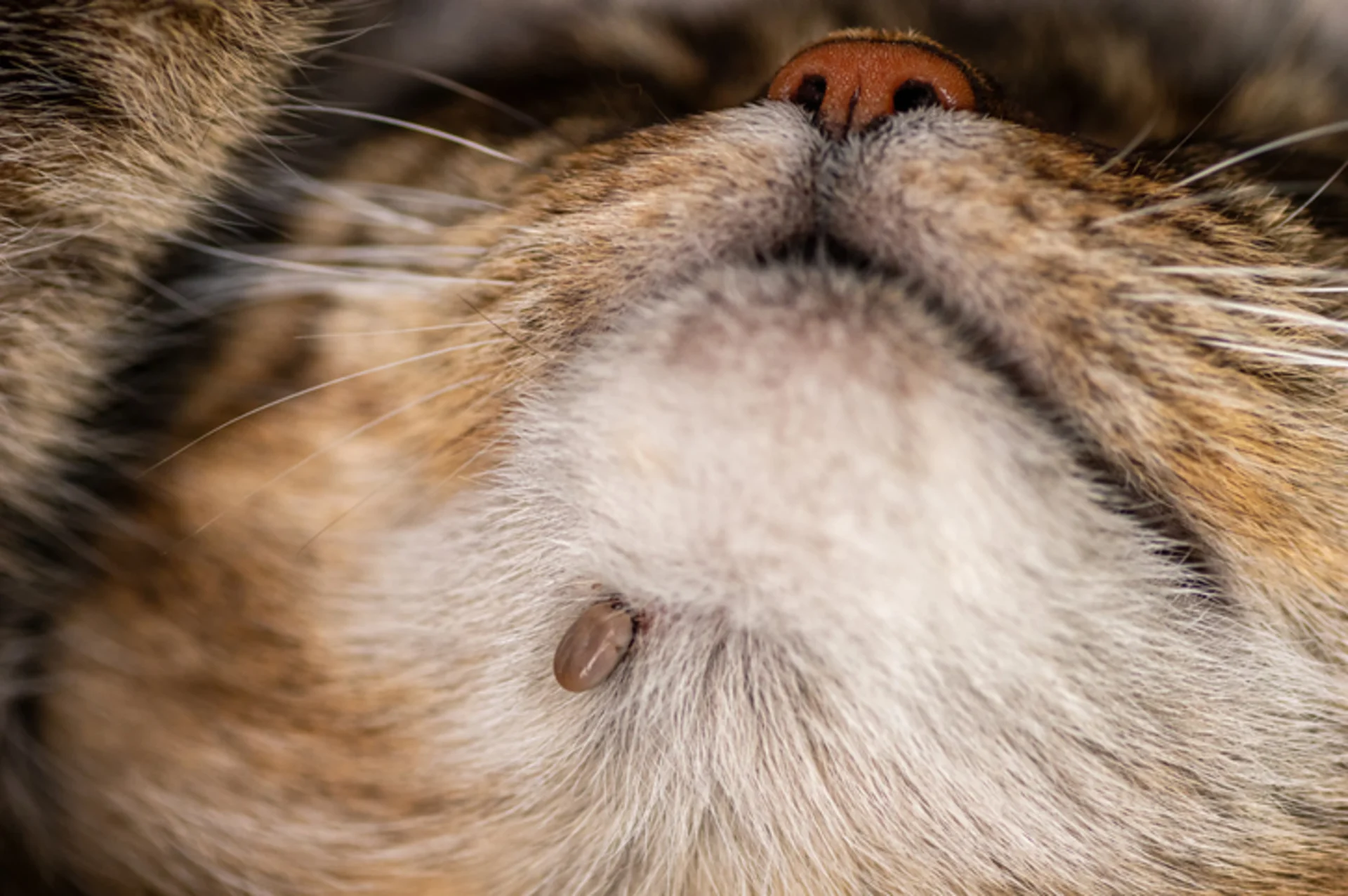
Ticks: Bloodsuckers with risks
Ticks lurk in grass and bushes, especially at the edges of forests and in meadows. They wait at knee to hip height and brush off on fur or clothing as you walk by. They become active at temperatures as low as 7 degrees Celsius, even on mild winter days.
Why ticks should be taken seriously in dogs
Ticks can transmit diseases such as babesiosis, anaplasmosis, ehrlichiosis, and Lyme disease. That's why it's important to check your pet after walks and remove ticks quickly.
Ticks can transmit diseases such as babesiosis, anaplasmosis, ehrlichiosis, and Lyme disease. That's why it's important to check your pet after walks and remove ticks quickly.
Found a tick? Here's how to remove it correctly:
- Grasp it directly on the skin with tick tweezers or a Tick Card.
- Pull it out slowly and straight, do not squeeze or twist it.
- Observe the area for a few days afterwards.
- Slight redness is normal. If swelling, fever, or loss of appetite occurs, take your pet to the vet.
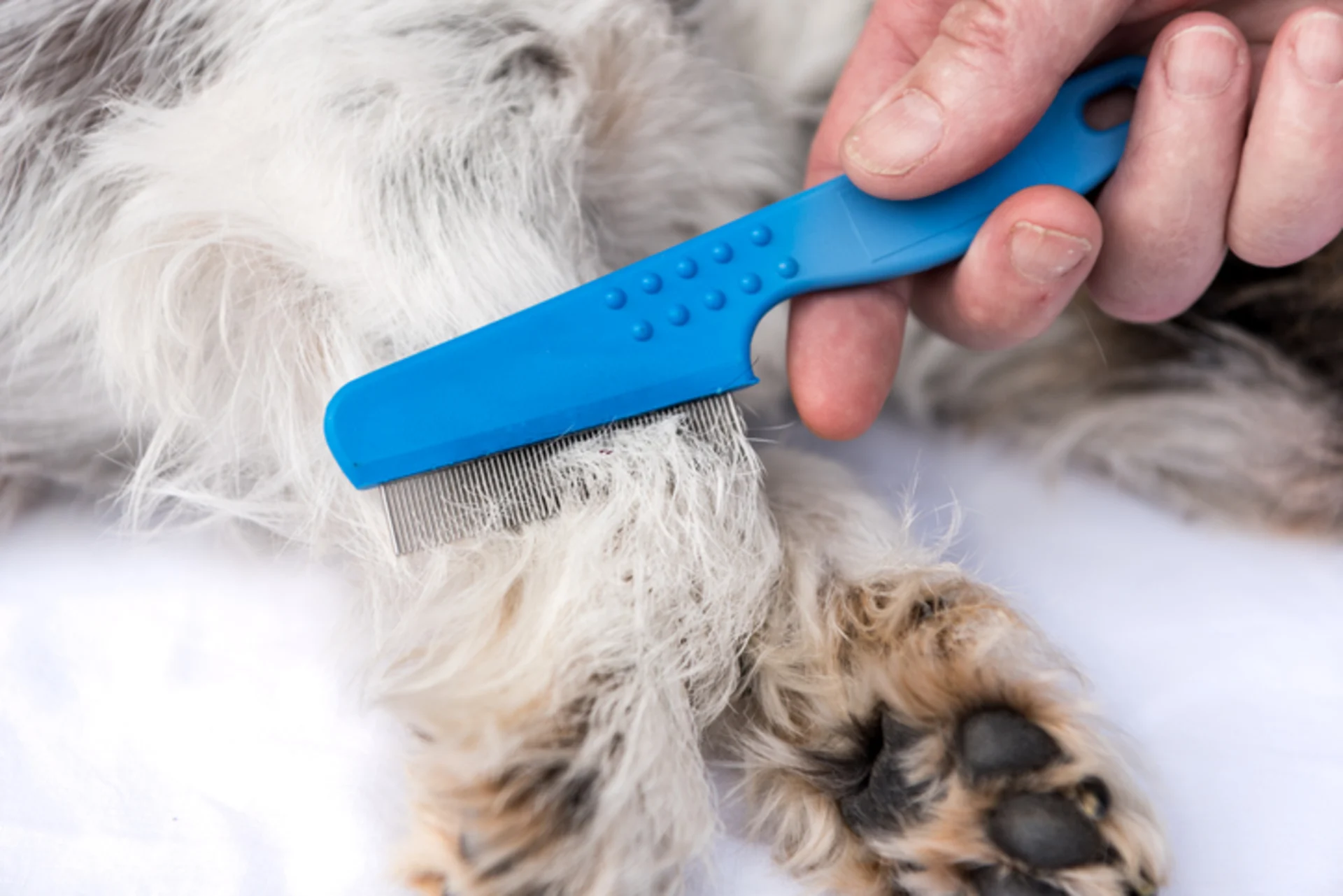
Fleas: Tenacious pests
Fleas are more common than many people think and, unlike ticks, are active all year round. They can be brought in via the balcony or terrace, so even indoor cats can be affected.
Only about 5% of fleas infest the animal itself. The rest (eggs, larvae, pupae) spread throughout the home: in carpets, sofas, and baskets. A single flea lays up to 50 eggs a day.
Flea test for at home:
Not sure if they are fleas? Here's how to find out:
- Comb your pet with a flea comb over a white cloth.
- Do you find small black crumbs?
- Moisten them and smear them with your finger.
- Do they turn reddish? Then it is flea feces.
In the event of a flea infestation:
Do not just treat the animal. Other pets must also be treated and the environment thoroughly cleaned: vacuum regularly and remove the vacuum cleaner bag, wash blankets and pillows at 60 degrees Celsius, and don't forget the car if you have dogs. We will be happy to advise you on how to get an infestation under control.
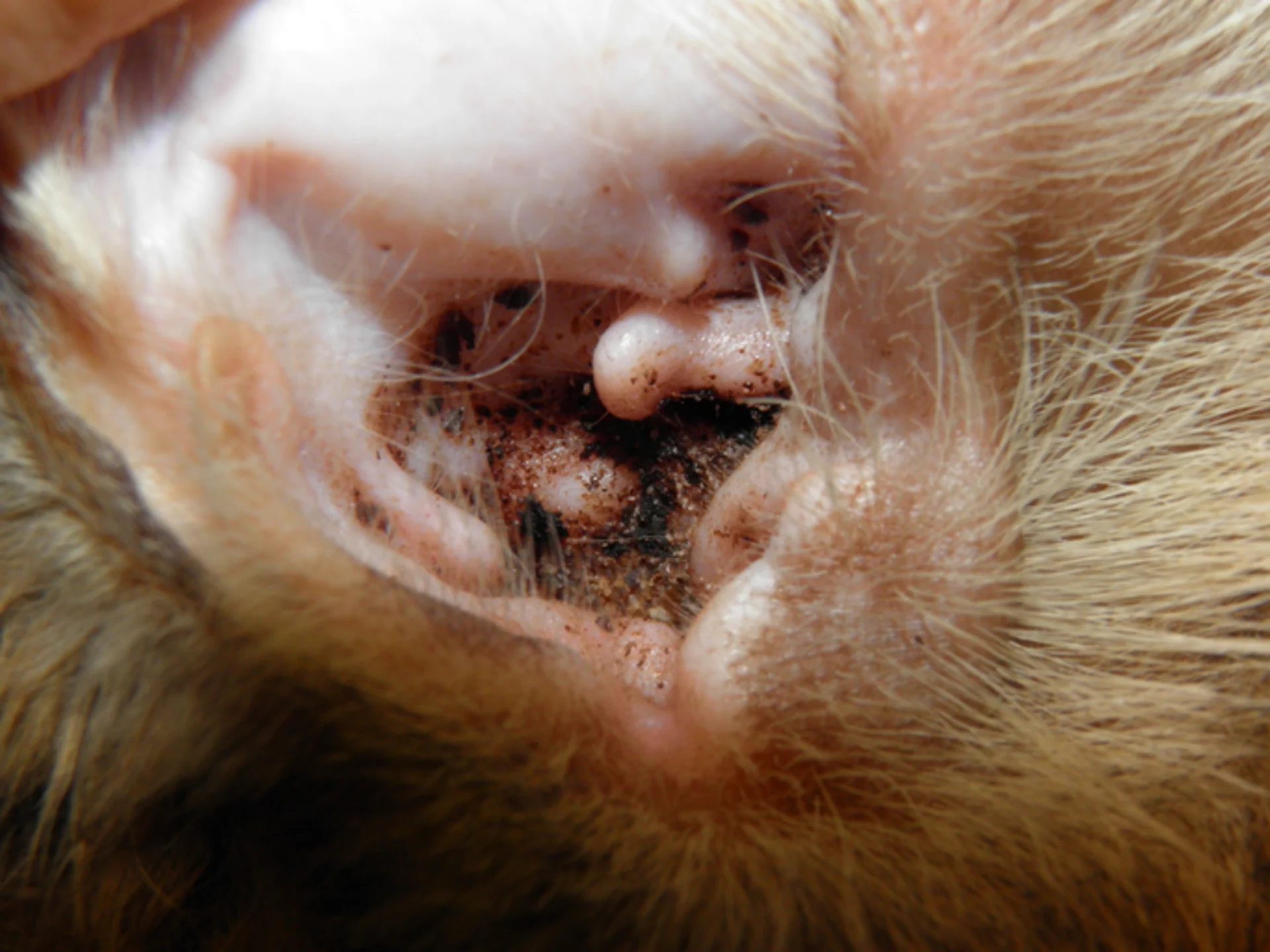
Mites: itching, head shaking, bald spots
Mites are tiny and often barely visible to the naked eye. Depending on the species, they infest different parts of the body and can cause severe itching.
The most common types of mites:
Grass mites: Small red-orange dots, mainly on the paws and belly. The larvae live in meadows and are particularly active in spring and fall. After walks in the grass, it is worth checking your pet's paws and belly.
Ear mites: Particularly common in young cats. They live in the ear canal and cause dark, crumbly deposits in the ear. Typical signs: frequent head shaking or scratching of the ears.
Burrowing mites/sarcoptes (mange): Burrow through the top layer of skin and cause severe itching with skin crusts. They are highly contagious.
Demodex mites: Live in the hair roots. Normal in small numbers, they can multiply in young animals or immunocompromised animals and lead to hair loss.
Which protection is right for your pet?
The choice of product, method of application, and active ingredients best suited to your dog or cat depends on various factors, such as the species and age of the animal, the risks, the family situation, and the intended use. Parasite control products are available in spot-on, collar, or tablet form. We will be happy to advise you at your VetTrust practice.